Prediabetes Early Warning Signs: What to Track This Month
中文版 Chinese Version
Prediabetes is often called a “silent alarm.” It is a condition where blood sugar levels are higher than normal but not yet high enough to be diagnosed as Type 2 diabetes. The most concerning aspect is that the vast majority of people with prediabetes have no clear symptoms. However, by paying close attention to data and subtle bodily changes, you can take action before the alarm turns into a crisis.
!Blood Sugar Monitoring Fig 1: Regular monitoring is the only reliable way to identify prediabetes. Source: Unsplash
Identifying the Invisible Warning Signs
While prediabetes may not have the classic symptoms of full-blown diabetes (like extreme thirst or frequent urination), your body often provides subtle hints.
1. Lab Result “Drift”
If your recent blood work shows the following ranges, it is time to take action:
- Fasting Plasma Glucose (FPG): 100 to 125 mg/dL (5.6 to 6.9 mmol/L).
- HbA1c: 5.7% to 6.4%.
- Oral Glucose Tolerance Test (OGTT): 140 to 199 mg/dL (7.8 to 11.0 mmol/L) two hours after the drink.
2. Subtle Physical Changes
- Acanthosis Nigricans: Darkened, thickened skin in areas like the neck, armpits, or elbows. This is a classic sign of insulin resistance.
- Post-Meal Fatigue: Feeling unusually sleepy or “foggy” after eating a high-carbohydrate meal.
- Slow Healing: Even minor cuts or bruises taking longer than usual to disappear.
Exercise: The Ultimate Tool for Reversal
In the prediabetes stage, lifestyle intervention—specifically exercise—is often more effective than medication. Exercise increases insulin sensitivity, allowing your muscles to use glucose directly from the blood.
Why Post-Meal Movement Matters
Starting light activity 15 to 30 minutes after a meal can significantly flatten blood sugar spikes. This is crucial for those with prediabetes, as their bodies struggle to bring glucose levels back down quickly.
Recommended Exercise Routine
- Moderate Aerobic Activity: Brisk walking, swimming, or cycling. Aim for at least 150 minutes per week.
- Strength Training: Twice a week. Increasing muscle mass provides a larger “reservoir” for glucose storage.
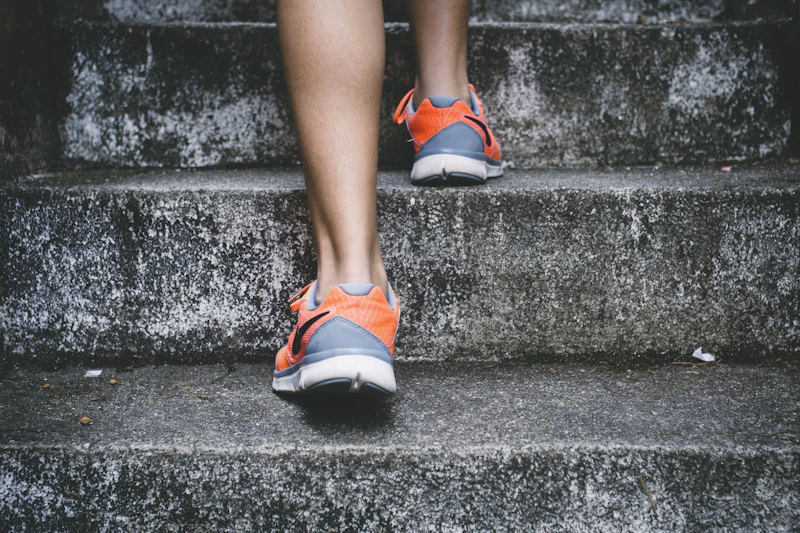
30-Day Reversal Action Plan
If you find yourself in the prediabetes range, don’t panic. The next 30 days are about building sustainable habits.
Week 1: Establish Your Baseline
- Get a reliable home glucose monitor.
- Keep a 3-day log of everything you eat and your glucose response.
- Aim for at least 5,000 steps per day.
Week 2: Dietary Tweaks
- Swap white rice/bread for whole grains (oats, quinoa, brown rice).
- Ensure half of every plate consists of non-starchy vegetables.
- Eliminate sugary drinks; stick to water, coffee, or tea (unsweetened).
Week 3: Increase Intensity
- Increase daily steps to 8,000.
- Add two 20-minute strength sessions (squats, push-ups, or weights).
- Observe how post-meal walks specifically lower your readings.
Week 4: Review and Refine
- Re-check your fasting glucose.
- Identify which foods caused the highest spikes in your log.
- Set long-term goals for the next three months.
Frequently Asked Questions (FAQ)
Q: Does prediabetes always lead to Type 2 diabetes? A: No. With aggressive lifestyle changes, about 50% of people can return to normal blood sugar levels or significantly delay the onset of diabetes.
Q: Can thin people have prediabetes? A: Yes. While weight is a major risk factor, genetics, age, stress, and lack of physical activity also play significant roles.
Q: Do I need medication for prediabetes? A: This depends on your doctor’s assessment. For high-risk individuals, Metformin may be prescribed, but lifestyle changes remain the primary recommendation.
Ebook Download
Looking for a structured guide to reversing prediabetes?
Download “Diabetes A-to-Z: The Reversal Guide” Now
Recommended Reading
- Diabetes A-to-Z Basics
- Practical Guide to Low-GI Cooking
Medical Disclaimer
The information in this article is for educational purposes only. Diagnosis and treatment plans for prediabetes should be managed by a healthcare professional based on your individual health profile.