Can the DASH Diet Help During Diabetes Treatment? A Practical 7-Day Plan for Families

When someone in a family enters the diabetes treatment stage, the hardest part is usually not understanding the theory. Most of us already know we should “eat healthier.” The real challenge is execution: what to buy, what to cook, how much to serve, and how to repeat that process every day without burnout.
That is where the DASH diet can be useful. DASH stands for Dietary Approaches to Stop Hypertension. It was originally designed for blood pressure management, but its core structure—more vegetables, fruit, legumes, whole grains, low-fat dairy, moderate nuts, less sodium, fewer heavily processed foods—also aligns with many goals in diabetes treatment.
As a caregiver, I have learned one lesson the hard way: a “perfect” meal plan that nobody can sustain is less helpful than a “good enough” structure the whole household can follow for months. DASH is not magic. But it is practical, and practicality is what often improves glucose patterns over time.
Fast answer: where DASH helps (and where it does not)
- DASH is not a cure and not a replacement for medical treatment.
- It can help reduce refined carbohydrate intake and increase dietary fiber quality.
- It often supports better blood pressure, weight management, and cardiovascular risk control—important for many people with diabetes.
- It works best when combined with portion consistency, glucose monitoring, and medication coordination.
- Its main strength is sustainability: the same family meal can often be adapted for everyone at the table.
Why DASH can fit the diabetes treatment stage
People often ask, “Is DASH a diabetes diet?” Not exactly. It is a structured eating pattern that overlaps with diabetes nutrition priorities. During treatment, the goal is not simply to “eat less.” The goal is to reduce harmful glucose swings while keeping meals realistic and safe.
1) Better carbohydrate quality can soften post-meal spikes
DASH emphasizes whole-food carbohydrate sources such as oats, beans, lentils, and whole grains. These are usually more fiber-rich than refined white rice, white bread, pastries, and sugary drinks. For many patients, fiber-rich combinations are associated with slower glucose absorption and a flatter postprandial curve.
This does not mean carbs become unlimited. It means quality and structure improve first, and quantity is then adjusted based on glucose response.
2) Lower sodium and less ultra-processed food support broader risk control
In real life, diabetes rarely travels alone. Hypertension, dyslipidemia, and kidney risk are common concerns. DASH naturally reduces high-sodium, heavily processed products and encourages fresh cooking. This creates a “two birds, one stone” effect: one meal structure can support both glucose and cardiovascular goals.
3) Family-level implementation improves adherence
Strict diets often fail because they isolate the patient. DASH is easier to cook as a shared household style. You can keep one family menu, then customize portions for the person with diabetes. That lowers emotional friction and increases long-term adherence.
A practical framework: the DASH “321 plate” for treatment stage
If you want a starting point without complicated calculations, use this:
- 3 food groups each meal: non-starchy vegetables + protein + carbohydrate source
- 2 colors of vegetables minimum
- 1 measurable carbohydrate portion each meal (fixed bowl, scale, or visual plate rule)
This method is simple enough for busy households and stable enough for monitoring.
Example dinner template
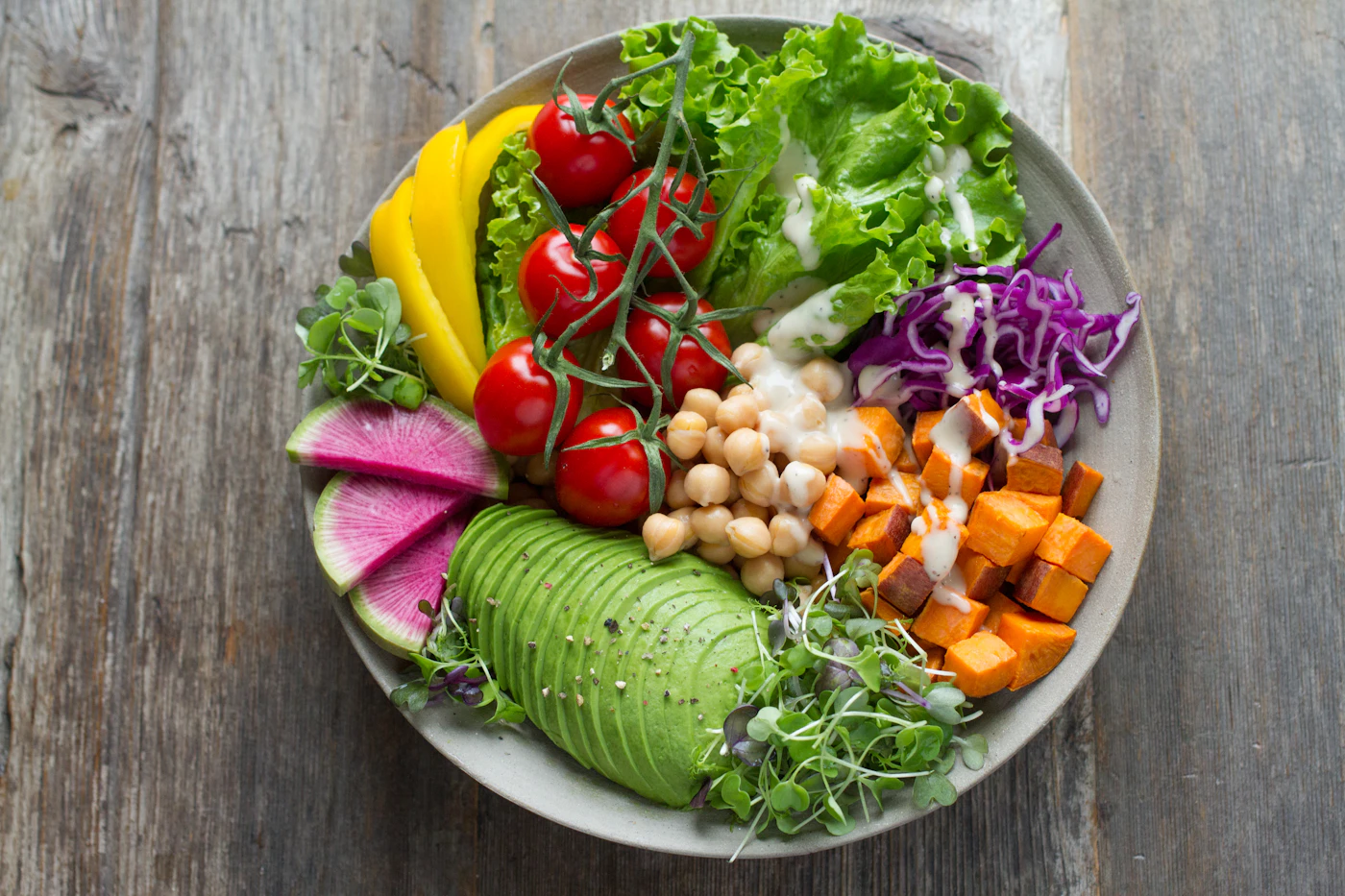
- Half plate: broccoli + mushrooms + leafy greens
- Quarter plate: fish, tofu, eggs, or skinless poultry
- Quarter plate: brown rice, quinoa, or mixed whole grains
- Cooking style: steamed, boiled, roasted, or light stir-fry; avoid sugar-thickened sauces
The purpose is predictability, not perfection. Predictable meals produce more interpretable glucose data.
How to apply DASH during treatment without overwhelming the family
Step 1 (Days 1–2): Start with two meals, not all three
Trying to redesign breakfast, lunch, dinner, and snacks at once often fails. Begin with breakfast and dinner.
Sample breakfast options
- Plain yogurt + oats + a small portion of nuts + one low-glycemic fruit
- Boiled eggs + whole-grain toast + tomato/cucumber salad
- Unsweetened soy milk + mixed grain porridge + stir-fried greens
Sample dinner options
- Baked fish + sautéed greens + small brown rice portion
- Tofu and vegetable stew + mixed bean side + small sweet potato portion
Keep these two meals stable for 48 hours before changing anything else.
Step 2 (Days 3–4): Build an “eating out safety protocol”
Restaurant food is where many treatment plans derail. Use a default protocol:
- Decide carb size before ordering.
- Skip sugary beverages by default.
- Order vegetables and protein first, then carb side.
- Ask for sauces separately when possible.
Even if the meal is not ideal, this protocol lowers risk variability.
Step 3 (Days 5–7): Create a meal-glucose feedback loop
Record three things daily:
- What was eaten (rough portion is enough)
- 2-hour post-meal glucose
- Activity (walks, chores, exercise)
At the end of the week, review patterns:
- Which meal combinations gave stable readings?
- Which meals caused predictable spikes?
- Did meal timing conflict with medication?
This feedback loop is more valuable than searching for a universal “perfect diabetes meal.”
Mid-article CTA: download the DASH implementation guide
If you want a ready-to-use version (with checklist and printable weekly table), start here:
👉 Dash Diet practical PDF for diabetes families
Download: https://download.tangyou.space/20260315/Dash-Diet.pdf
Signup form: ebook-signup (auto-delivery via ebook-delivery-20260315)
Common treatment-stage mistakes when trying DASH
Mistake 1: “Healthy” label means unlimited quantity
Whole grains are usually better choices than refined grains, but portion still matters. A very large serving can still produce significant glucose elevation.
Mistake 2: Removing carbs too aggressively
Some families move to near-zero carbs overnight, then face hunger, low energy, poor adherence, and in some patients, increased hypoglycemia risk depending on medication. Controlled carbohydrate planning is safer than extreme restriction.
Mistake 3: Ignoring hidden sodium and sugar in processed products
“Low fat” or “sugar-free” labels can still hide high sodium, starches, or additives. Read ingredient lists and choose minimally processed foods whenever possible.
Mistake 4: No coordination with treatment plan
Meal changes and medication timing are linked. If glucose patterns change significantly, discuss adjustments with the treating clinician rather than self-modifying medication.
A caregiver checklist you can use this week
- Replace one refined grain staple with a whole-food alternative
- Build at least one “default dinner” you can repeat 3 times/week
- Remove sugar-sweetened beverages from home visibility
- Pre-portion carb servings for two days ahead
- Record post-meal glucose after your two most variable meals
- Prepare one low-risk snack option (plain yogurt, nuts, unsweetened soy milk)
- Review the week with the patient and decide only 1–2 changes for next week
Small, repeatable changes beat aggressive short-term plans.
FAQ
Q1: Is DASH enough by itself to control diabetes?
No. DASH can support nutrition quality, but diabetes treatment requires individualized care, glucose monitoring, and medical follow-up.
Q2: Should people with diabetes avoid all fruit on DASH?
Not necessarily. Whole fruit can be included in measured portions. Fruit juice is usually less favorable because it is absorbed faster and is easier to overconsume.
Q3: What if post-meal glucose is still high even with DASH?
Review meal portion, timing, and composition first, then discuss the pattern with your clinician. Sometimes medication timing, dose, or physical activity timing also needs adjustment.
Q4: What is the most important caregiver action?
Build a supportive food environment: shopping lists, meal prep rhythm, repeatable plate templates, and non-judgmental tracking.
Suggested internal reading
- Therapeutic Diet for Diabetes Treatment: Make Every Meal More Predictable
- Home Diabetes Management Framework for Families
- [Treatment Stage Sleep and Metabolism: Why Late Nights Affect Next-Day Glucose](
Final CTA: your next three actions
- Download the DASH PDF and complete the
ebook-signupform. - Visit the independent resource hub for deeper tools and templates: https://dm.tangyou.space.
- Bring your 7-day meal-glucose log to your doctor or dietitian for personalized adjustments.
Medical disclaimer: This article is for educational and caregiving reference only and does not provide diagnosis or treatment. Diabetes management should be individualized by qualified healthcare professionals. If recurrent hypoglycemia, persistent hyperglycemia, or acute symptoms occur, seek medical care promptly.