I Tried Betty Crocker Diabetic Recipes for 3 Months: They’re Tasty, Easy, and Perfect for My Daily Diet
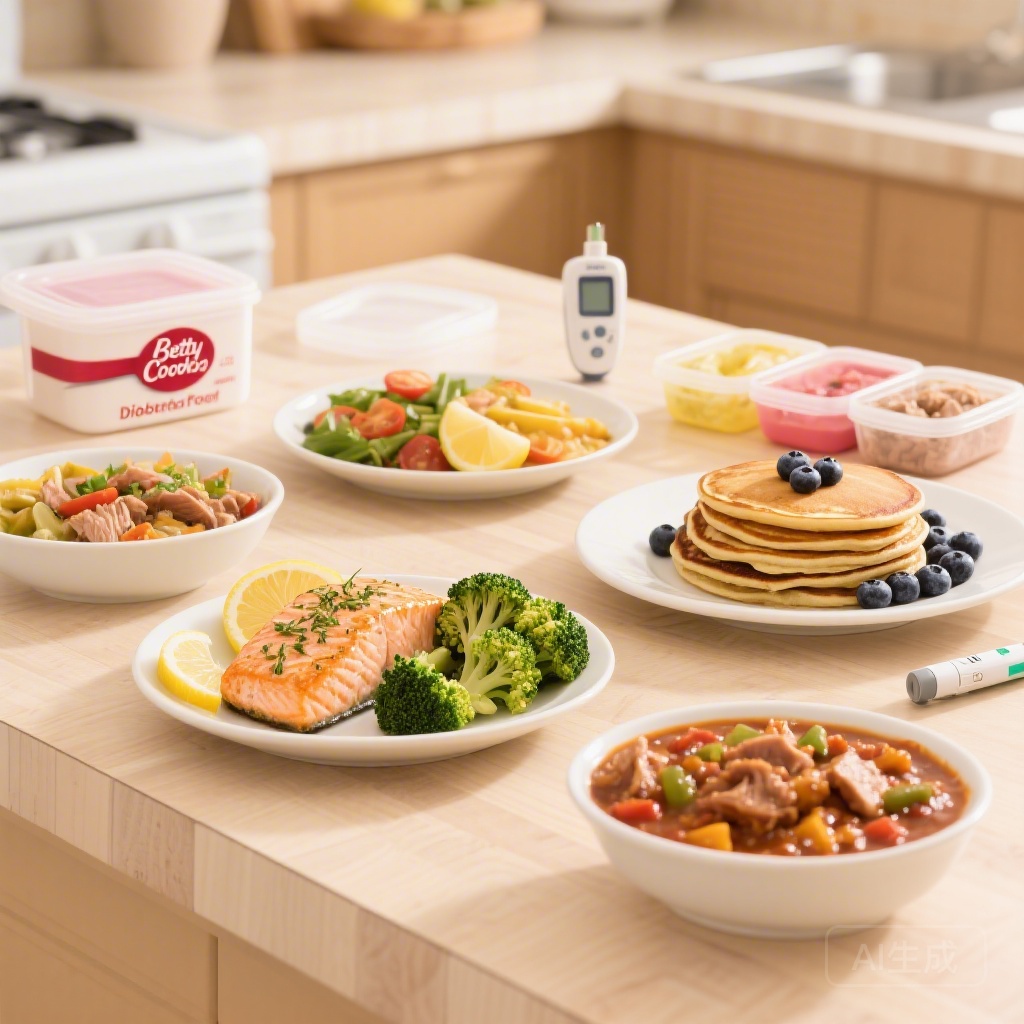 Two years ago, I left my doctor’s office with a type 2 diabetes diagnosis and a knot in my stomach. For weeks, I wandered the grocery store feeling lost: every food I’d loved for years was off-limits, and every “diabetic-friendly” recipe I found online required 10 fancy ingredients, 2 hours of prep, and tasted like bland cardboard. I work a 9-to-5 marketing job and have two energetic kids under 10, so spending an hour every night making a meal only I would eat felt impossible. I’d give up, order takeout, and then beat myself up when my blood sugar spiked to 190 an hour later. When my dietitian first mentioned Betty Crocker diabetic recipes, I laughed out loud. Betty Crocker? The brand that made my favorite childhood chocolate chip cookies? There’s no way their diabetic options are any good, right? Three months later, these recipes make up 80% of my daily diet, my A1C dropped 1.2 points, and I no longer have to make separate meals for my family. I’m sharing exactly what worked, what mistakes I made, and how you can use these easy, tasty recipes to make diabetic eating feel less like a chore.
Why I Decided to Give Betty Crocker Diabetic Recipes a Shot
Before I found these recipes, I was stuck in a terrible cycle with my diet. I’d spend 2 hours on Sunday meal prepping fancy low-carb meals that tasted like nothing, then get sick of them by Tuesday and throw them all out. I tried meal kit services, but most of their diabetic options were too small, too expensive, or still loaded with hidden added sugars. My A1C had crept up to 7.8 at my 3-month checkup, and my doctor warned me that if I couldn’t get my diet under control, I’d need to start taking a second diabetes medication. I’d grown up using Betty Crocker recipes for holiday cookies, weeknight pasta, and birthday cakes, so the brand felt familiar and trustworthy, even if I was skeptical that their diabetic versions would taste good. My dietitian explained that Betty Crocker’s diabetic-friendly line is designed with input from registered dietitians, with clear carb counts, low added sugar, and simple prep steps for busy people. I decided to give it a 1-month trial, just to see if it worked.
My First Month: The Mistakes I Made (Yes, I Stepped on All the Common Pitfalls)
My first few weeks using these recipes were full of mistakes, and I almost gave up entirely. Here are the biggest pitfalls I ran into, so you don’t have to make the same ones: First, I assumed that “diabetic-friendly” meant I could eat as much as I wanted. The first recipe I tried was Betty Crocker’s low-sugar apple cinnamon muffin recipe. It smelled amazing baking in the oven, and when I took the first bite, I couldn’t believe it wasn’t loaded with sugar: it was sweet, moist, and had just the right amount of cinnamon. I ate three muffins in 10 minutes while packing the kids’ lunches. Two hours later, I tested my blood sugar and nearly fell off my chair: it was 189, higher than it was after I ate a full pizza the week before. I’d completely forgotten that even without added refined sugar, the carbs from flour and apples add up fast, and portion control is non-negotiable, even for low-sugar recipes. Second, I skipped the simple swaps my dietitian had recommended. The original muffin recipe called for all-purpose flour, and I didn’t bother swapping half of it for the whole wheat almond flour blend I had in my pantry. Refined white flour digests much faster, which causes sharper blood sugar spikes, and that’s exactly what happened. Third, I only tried baked goods. For the first two weeks, I only made muffins, cookies, and pancake recipes, and I got bored fast. I thought all Betty Crocker diabetic recipes were just sweet treats, until I scrolled their website and found hundreds of savory recipes for dinner, lunch, and side dishes. I almost gave up on the whole thing before I even found the recipes that would become my staples.
What Worked: The 3 Betty Crocker Diabetic Recipes That Are Now Staples in My Daily Diet
Once I fixed my mistakes, I started testing savory recipes, and I was blown away by how tasty and easy they were. These three recipes are now in my weekly rotation, and my whole family loves them:
Lemon Herb Baked Salmon with Roasted Broccoli
I was shocked when I saw the prep time for this recipe: 5 minutes to season the salmon and toss the broccoli, 20 minutes in the oven, that’s it. The recipe uses Betty Crocker’s low-sodium lemon herb seasoning blend, so I didn’t have to measure out 6 different herbs myself. Per serving, it has 12g of carbs, 32g of protein, and only 2g of added sugar (from a tiny bit of honey in the seasoning, which I later swapped for lemon zest to cut that out entirely). The first time I made it, my entire family ate it without complaining, and my blood sugar only went up 12 points two hours after eating, which is exactly the range my doctor wants. Now I make this at least once a week.
Low-Sugar Blueberry Oat Pancakes
For years, I thought I’d never get to eat pancakes again after my diagnosis, but this recipe changed that. I swapped half the all-purpose flour for oat flour, added a tablespoon of chia seeds for extra fiber, and served them with sugar-free maple syrup and fresh blueberries. My husband, who hates “healthy” food, ate three pancakes and asked when I’d make them again. Two pancakes have 18g of carbs, which fits perfectly into my 45g carb limit for breakfast, and I don’t crash at 10 a.m. like I used to when I ate regular pancakes. We now make these every Saturday morning for family breakfast.
Turkey and Veggie Chili
This is my go-to meal prep recipe for busy weeks. I make a big pot on Sunday, portion it out into 6 containers, and freeze half for when I don’t have time to cook. I add extra bell peppers, spinach, and black beans to bump up the fiber, and use Betty Crocker’s no-sugar-added chili seasoning mix to save time. One serving has 20g of carbs, 18g of protein, and 8g of fiber, so it keeps me full for 4 hours, no post-lunch slump. I even bring it to work potlucks, and no one ever guesses it’s a diabetic recipe.
My Go-To Step-by-Step Process to Make Any Betty Crocker Diabetic Recipe Work for Me
After a month of trial and error, I came up with a 5-step process that makes every Betty Crocker diabetic recipe work for my needs, no guesswork required:
- Check the nutrition facts first, before you even start cooking: Every recipe on the Betty Crocker website has full nutrition information, including total carbs, fiber, and sugar per serving. I calculate how many servings fit into my 45-60g carb limit per meal, and portion it out before I even take the first bite. For example, the muffin recipe has 15g of carbs per muffin, so I know I can only eat one per meal, paired with a hard-boiled egg for extra protein to keep me full.
- Swap refined carbs for high-fiber alternatives whenever possible: I swap half the white flour for whole wheat or almond flour, white rice for quinoa or cauliflower rice, and regular pasta for chickpea pasta. These swaps slow down digestion, so my blood sugar stays stable, and the flavor is almost identical.
- Bulk up the recipe with non-starchy vegetables: For almost every savory recipe, I add an extra cup of spinach, bell peppers, broccoli, or zucchini. These add volume and flavor without adding too many carbs, so I can eat a full plate of food without going over my carb limit.
- Test your blood sugar 2 hours after eating a new recipe for the first time: Everyone’s body reacts differently to carbs, so even if a recipe says it’s low-carb, you need to see how it affects you personally. I keep a small notebook where I write down the recipe, how much I ate, and my blood sugar reading, so I know what to adjust next time.
- Double the recipe and freeze extra portions: I hate cooking on weeknights, so I almost always double every recipe I make. I freeze the extra portions in individual containers, so when I get home from work late, I just pop one in the microwave, and I have a healthy, tasty meal ready in 2 minutes, no takeout required.
Common Questions (FAQ)
Q1: Are all Betty Crocker diabetic recipes completely sugar-free?
A: No, most of their diabetic-friendly recipes are low in added refined sugar, not completely sugar-free. Many use small amounts of natural sugar from fruits, honey, or maple syrup to add flavor, so you still need to count total carbs per serving and stick to your recommended portion sizes. I usually swap out any added sweeteners for sugar-free alternatives like stevia or monk fruit if I want to cut the sugar even more.
Q2: Do I need to buy special, expensive ingredients to make these recipes?
A: Not at all! 90% of the ingredients in Betty Crocker diabetic recipes are regular pantry staples you probably already have at home: flour, eggs, vegetables, lean meats, canned beans, etc. The only optional swaps I make are whole grain flour or sugar-free sweeteners, which are available at almost every grocery store for a reasonable price. You don’t need any fancy specialty products to make these work.
Q3: Can people with type 1 diabetes use these recipes too?
A: Absolutely! These recipes are designed to be lower in carbs and added sugar, which works for any person with diabetes who counts carbs to manage their blood sugar. If you have type 1 diabetes, you just need to adjust your insulin doses to match the total carbs per serving, as recommended by your doctor or endocrinologist. I have three friends with type 1 diabetes who use these recipes for their daily meals, and they love how easy and consistent the carb counts are.
Q4: Are these recipes suitable for kids or other family members who don’t have diabetes?
A: This is my favorite part: yes! All the recipes I make are loved by my two kids and my husband, none of whom have diabetes. They’re flavorful, filling, and taste just like regular home-cooked food, so I don’t have to make separate meals for myself and the rest of my family anymore. That saves me at least 30 minutes of cooking time every night, which is a total game-changer for busy parents.
Final Thoughts and Bonus Resource
Three months ago, I thought diabetic eating meant I’d have to give up all the food I loved and spend hours every night in the kitchen. Now, using Betty Crocker diabetic recipes, I eat tasty, easy meals every day, my blood sugar is stable, and I actually enjoy cooking again. My latest A1C was 6.6, which is the lowest it’s been since my diagnosis, and I have more energy to play with my kids after work than I’ve had in years. To help you get started, I put together a free 10-page e-book that includes my top 15 favorite Betty Crocker diabetic recipes, with adjusted carb counts, portion guides, and my favorite simple swaps for each one. You can download it for free by clicking the link at the bottom of this page. — Disclaimer: This article was AI-assisted, for informational purposes only, and does not constitute medical advice. Please consult a licensed healthcare provider or registered dietitian before making any changes to your diabetes management plan or diet.