No Bland Bites! My Favorite Easy, Tasty Betty Crocker Diabetic Recipes For Daily Meals
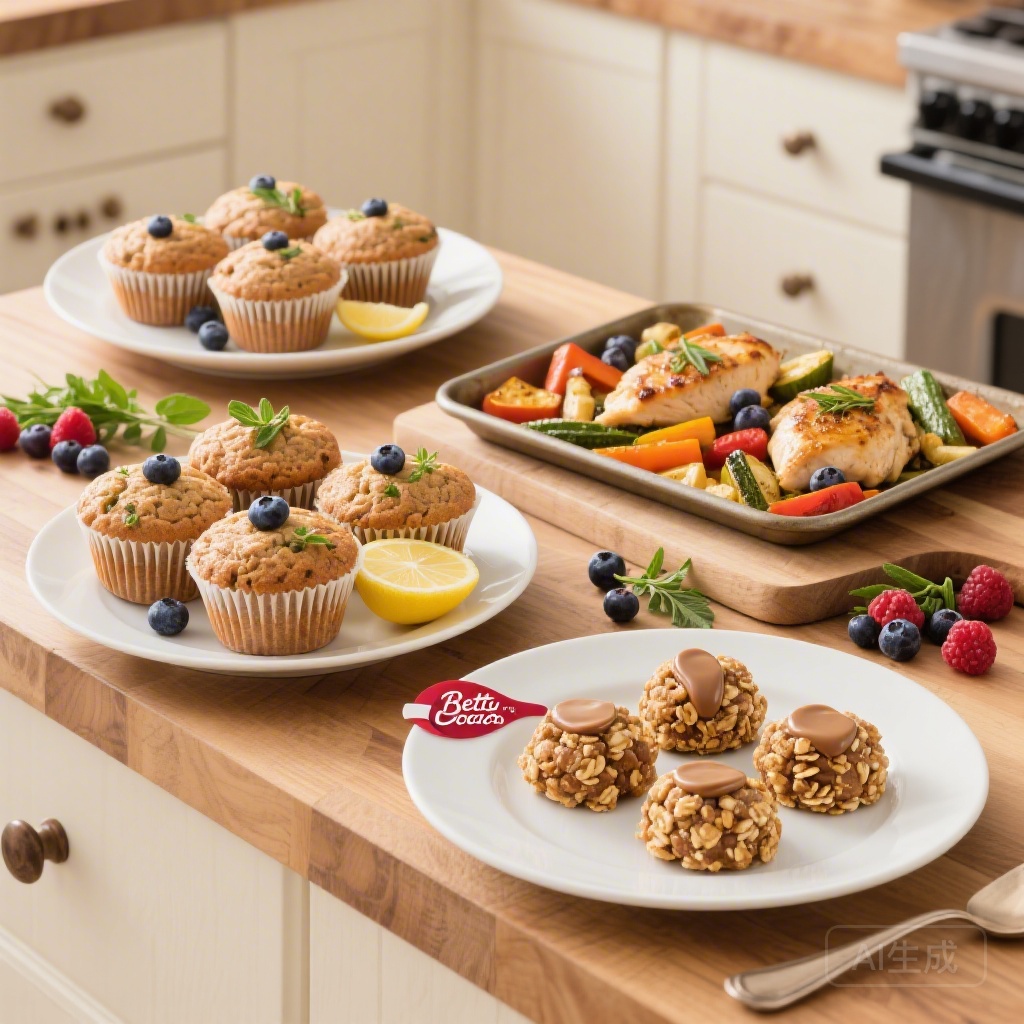
Hi friends! I’ve been managing type 2 diabetes for 10 years now, and for the first 3 of those years, I thought my daily diet was destined to be boring, bland, and nothing like the tasty home-cooked meals I grew up loving. I tried every fancy diabetic meal kit, every weird low-sugar recipe from random blogs, and most of them either tasted like cardboard or spiked my blood sugar so bad I had to adjust my meds. Then I stumbled on adapted Betty Crocker diabetic recipes, and my whole meal routine changed for the better.
Betty Crocker recipes are already designed to be easy, use common grocery store ingredients, and taste like comfort food. With a few simple swaps, they fit perfectly into a diabetic-friendly daily diet, and even my non-diabetic husband and two teens beg for these meals every week. Today I’m sharing my go-to recipes, step-by-step, so you can skip the trial and error I went through.
What You’ll Need Before You Start
You don’t need any special diabetic-specific ingredients or fancy gear to make these recipes. I’ve picked options that use items you probably already have in your pantry:
Basic staple ingredients
- Whole wheat pastry flour (swap for white flour to cut refined carbs, keeps baked goods fluffy)
- Unsweetened applesauce (my favorite swap for added sugar, adds natural sweetness without spiking blood sugar)
- Low-glycemic sweetener (I use monk fruit or stevia, no aftertaste, and my blood sugar doesn’t react to it)
- Lean proteins (chicken breast, tofu, eggs)
- Non-starchy veggies (broccoli, bell peppers, zucchini, spinach)
- Rolled oats, natural no-added-sugar peanut butter, chia seeds for snacks
Basic tools
- Standard baking sheets, mixing bowls, measuring cups/spoons
- Food thermometer (to make sure chicken is cooked safely)
- Fridge/freezer storage containers (for meal prep)
Pro tip: I avoid any Betty Crocker pre-made mixes with added high-fructose corn syrup, hidden sugars, or refined white flour. If you want to use a pre-mix, always check the nutrition label first for total carbs and added sugar content.
Step-by-Step 3 Go-To Betty Crocker Diabetic Recipes For Daily Meals
All of these recipes are adapted from official Betty Crocker classics, adjusted to keep carb counts low and flavor high. I’ve tested each one dozens of times with my blood glucose meter, so I know they don’t cause unexpected spikes.
1. Low-Sugar Whole Grain Blueberry Muffins (Breakfast, 12 servings, 12g carbs per muffin)
These are perfect for busy mornings. I grab one on my way to work all the time, and they keep my blood sugar steady until lunch.
- Preheat your oven to 375°F (190°C) and line a 12-cup muffin tin with paper liners. This cuts down on cleanup, which is a win for busy weekdays.
- In a large mixing bowl, combine 1 ½ cups whole wheat pastry flour, 1 tsp baking powder, ½ tsp ground cinnamon, and ¼ tsp fine salt. Stir until fully mixed – this is your dry base, straight from the original Betty Crocker recipe, just swapped for whole grain flour.
- In a separate medium bowl, mix 1 cup unsweetened applesauce, 2 large eggs, ½ cup unsweetened almond milk, 1 tsp vanilla extract, and 1 tbsp monk fruit sweetener (optional, if you like a little extra sweetness). Skip the 1 cup of sugar the original recipe calls for – the applesauce and blueberries add more than enough natural sweetness.
- Pour the wet ingredient mix into the dry ingredient mix, and stir gently just until combined. Don’t overmix, or your muffins will be tough! Fold in ½ cup fresh or frozen blueberries (frozen works just as well, no need to thaw first).
- Fill each muffin cup ⅔ of the way full, and bake for 18 to 22 minutes. Test if they’re done by sticking a toothpick into the center of a muffin – if it comes out clean, they’re ready. Let them cool for 5 minutes in the tin before moving to a wire rack.
My personal tip: I eat 1 muffin with 1 tbsp unsweetened peanut butter and a hard-boiled egg for breakfast, which totals 27g carbs, right in line with my doctor’s recommended 30g carb limit for breakfast. I tested my blood sugar 2 hours after eating this meal dozens of times, and it never spikes more than 30 points, which is perfect for me.
2. Lemon Herb Baked Chicken & Veggie Sheet Pan (Lunch/Dinner, 4 servings, 28g carbs per serving with ½ cup quinoa)
This is my go-to for weeknight dinners because it only takes 10 minutes of prep time, and one pan to clean.
- Preheat your oven to 400°F (200°C) and line a large baking sheet with parchment paper. This saves you from scrubbing baked-on food off the pan later.
- Pat 4 boneless, skinless chicken breasts dry with a paper towel. The original Betty Crocker recipe uses a honey lemon glaze, but I swapped that for 2 tsp lemon zest, 1 tsp dried oregano, ½ tsp garlic powder, 1 tsp olive oil, and a pinch of salt and pepper. Rub the seasoning all over the chicken breasts.
- Chop 2 cups broccoli florets, 1 cup bell pepper slices (any color you like), and 1 cup zucchini chunks. Toss the veggies with 1 tsp olive oil, a pinch of salt and pepper, and ½ tsp dried oregano.
- Arrange the chicken breasts on one side of the baking sheet, and the veggies on the other side. Make sure they’re not overcrowded, so the veggies get nice and crispy instead of steaming.
- Bake for 20 to 25 minutes, until the chicken reaches an internal temperature of 165°F (74°C) and the veggies are tender and slightly charred at the edges.
My personal tip: I serve one chicken breast with 1 cup of the roasted veggies and ½ cup cooked quinoa for a full meal. I make a double batch on Sundays, and store individual portions in the fridge for lunches all week – it saves me so much time, and I don’t have to worry about picking up unhealthy takeout at work.
3. No-Bake Low-Sugar Peanut Butter Oat Bites (Snack, 20 servings, 12g carbs per 2 bites)
These are perfect for when you have a mid-afternoon sugar craving, or need a quick snack before a walk or workout.
- In a large mixing bowl, combine 1 cup rolled oats, ½ cup natural no-added-sugar peanut butter, ¼ cup unsweetened applesauce, 1 tbsp chia seeds, 1 tsp vanilla extract, and 1 tsp monk fruit sweetener (optional). The original recipe uses ½ cup brown sugar, which we skip entirely here – the peanut butter and applesauce add all the sweetness you need.
- Stir all the ingredients together until they’re fully combined. If the mixture is too dry to roll into balls, add 1 tsp more unsweetened applesauce at a time until it sticks together.
- Roll the mixture into 1-inch balls, and place them on a plate lined with parchment paper.
- Chill the balls in the fridge for 30 minutes before eating, so they hold their shape.
My personal tip: I keep a container of these in my fridge at all times, and I bring 2 with me when I’m running errands, so I don’t get stuck with no snack options when my blood sugar drops a little. They’re also a hit with my kids’ soccer team – no one even knows they’re diabetic-friendly!
My Real-World Results Using These Recipes For 1 Year
I started using these adapted Betty Crocker diabetic recipes 4 to 5 times a week a year ago, and the changes to my health have been amazing. My A1c dropped from 7.8 to 6.5, which is right in the target range my doctor set for me, and I had more energy than I’d had in years. I also stopped stressing about meal times, because these recipes are so easy to make, and my whole family enjoys them, so I don’t have to make separate meals for myself and the rest of the house.
I tested every single recipe I share with my blood sugar meter 2 hours after eating, so I know they work for my body, but I always recommend you do the same when you try a new recipe, since everyone’s carb tolerance is different.
General Tips For Using Betty Crocker Diabetic Recipes
After testing dozens of adapted Betty Crocker recipes over the years, I’ve picked up a few tricks that make the process even easier:
- Always adjust portion sizes to fit the carb limits your doctor or dietitian sets for you. What works for me might not work for you, so don’t be afraid to cut back on carbs or add more protein if you need to.
- You can swap ingredients easily to fit your tastes or dietary restrictions. For example, swap blueberries for strawberries in the muffins, swap chicken for tofu in the sheet pan meal, or swap peanut butter for almond butter in the oat bites. The recipes are very forgiving.
- If you use a pre-made Betty Crocker diabetic-friendly mix, always double check the nutrition label for hidden added sugars. Some mixes market themselves as low-sugar, but have hidden carbs from syrups or refined grains.
- Don’t be afraid to add extra herbs and spices to make the meals taste better. Garlic, rosemary, cinnamon, and lemon are all my go-to’s for adding flavor without adding carbs.
Frequently Asked Questions (FAQ)
1. Are all Betty Crocker recipes safe for people with diabetes?
No, most regular Betty Crocker recipes are made with refined white flour and lots of added sugar, which can spike blood sugar. But Betty Crocker has an official line of diabetic-friendly recipes, and it’s very easy to adapt their classic recipes with simple swaps (like whole grain flour for white, unsweetened applesauce for sugar) to make them safe for diabetics. I’ve adapted over 20 of their classic recipes for my own use, and all of them taste great and don’t spike my blood sugar.
2. How do I count carbs correctly for these recipes?
I use a free carb counting app to calculate the carb count for each serving, and I weigh my portions with a cheap food scale the first few times I make a recipe to make sure I’m getting the right amount. For example, if your breakfast carb limit is 30g, you can have 2 of the blueberry muffins plus a hard-boiled egg, which adds up to 29g carbs. Always follow the limits set by your healthcare provider.
3. Can I freeze these recipes for later?
Yes! All 3 recipes I shared freeze extremely well. The blueberry muffins can be frozen for up to 3 months, just thaw them in the microwave for 30 seconds when you’re ready to eat. The sheet pan chicken and veggie meal can be frozen in individual portions for up to 2 months, and the peanut butter oat bites can be frozen for up to 1 month. This is perfect for busy weeks when you don’t have time to cook.
4. Do these recipes taste different from regular Betty Crocker recipes?
I was worried about that too when I first started adapting them! But with the natural sweetness from fruit, herbs, and a small amount of low-glycemic sweetener, they taste almost exactly like the original versions. My non-diabetic family actually prefers these adapted versions now, because they don’t feel overly sweet or heavy after eating.
Disclaimer: This content is AI-assisted, for informational purposes only, and does not constitute medical advice. Always consult a licensed healthcare provider or registered dietitian before making changes to your diabetic meal plan.
Thank you so much for reading through my go-to Betty Crocker diabetic recipes! I hope they make your daily meal planning easier and more fun, just like they did for me. If you want even more easy, tasty adapted recipes, I put together a free 10-page ebook with 15 more Betty Crocker diabetic recipes for breakfast, lunch, dinner, and snacks, complete with full nutrition counts, portion guides, and my personal notes on how each recipe affects my blood sugar. You can download it for free by clicking the link below. If you have any favorite Betty Crocker recipes you want me to adapt for a diabetic diet, drop them in the comments – I’d love to test them out and share the results with you!