Postpartum and Lactation Glucose Remission: Eat Enough, Support Milk Production, and Rebuild Metabolic Stability
中文版 Chinese Version
Postpartum life—especially during lactation—often creates three pressures at once: your body needs to recover, feeding needs are constant, and you may be worried about blood sugar or weight rebounding after pregnancy. That is why two common extremes show up so often. One is “eat as much as possible because remission and milk production come first.” The other is “my glucose was high in pregnancy, so now I should cut food fast and lose weight immediately.” Neither extreme supports long-term metabolic remission well.
Why postpartum matters so much after gestational diabetes
After delivery, attention understandably shifts to the baby. That makes it easy for maternal follow-up, meal structure, and self-care to slide out of view. But if you had gestational diabetes, the postpartum period is not the end of the story. It is an important window for resetting patterns that influence future diabetes risk.
First rule of postpartum eating: do not let yourself get desperately hungry
For many breastfeeding mothers, the biggest challenge is living in a state of repeated exhaustion and delayed meals. By the time food becomes available, hunger is intense and the easiest option is often high-starch or highly processed comfort food eaten very quickly. That is why the first postpartum food rule is not perfect macro tracking. It is this: avoid long gaps that push you into rebound eating.
A lactation-friendly plate that also supports glucose remission
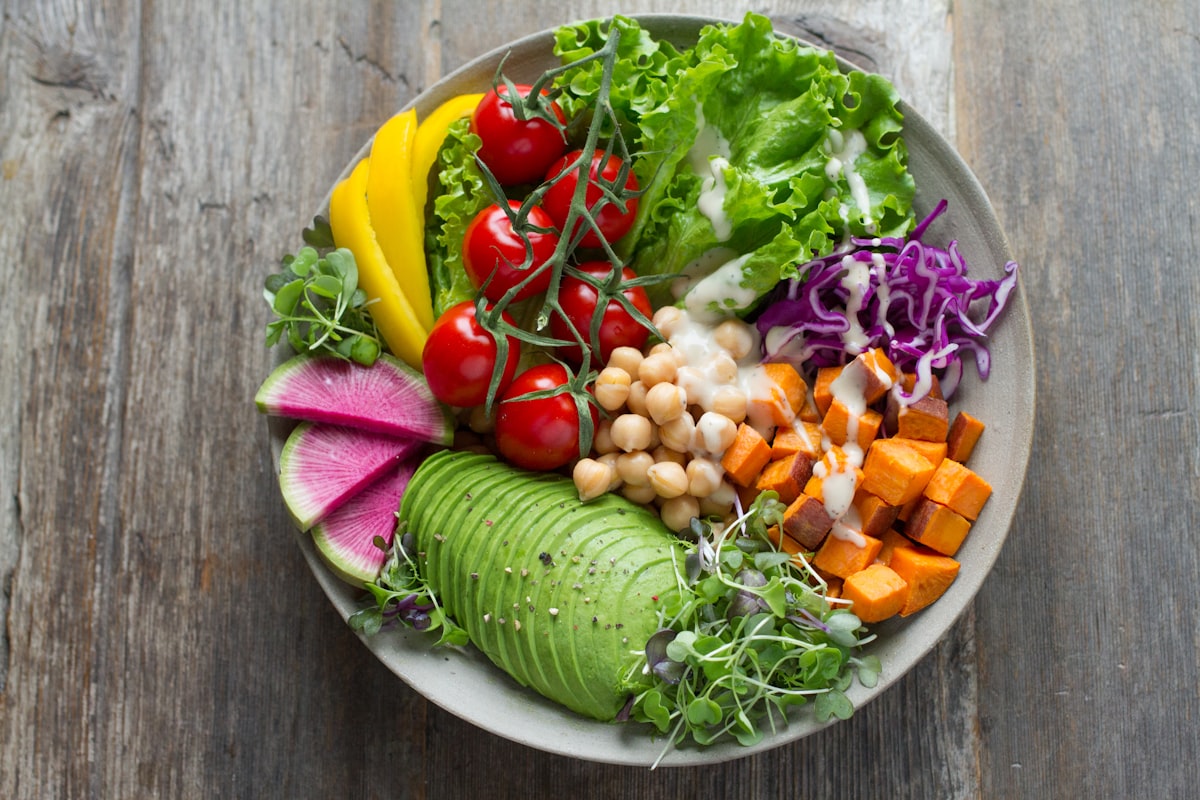
Postpartum remission works best when meals feel complete rather than restrictive. A helpful default structure is: a clear protein source in every meal, carbohydrates included but not allowed to dominate, vegetables retained for volume and fiber, and hydration spread through the day.
Use low-friction food modules instead of complex meal plans
What tends to work better is keeping a few reliable building blocks available at all times: boiled eggs, unsweetened yogurt, ready-to-eat tofu, fruit portions, nuts, cooked rice or mixed grains, and soups or proteins that can be reheated quickly.
Hydration and night feeding: how to support yourself without drifting into chaos
Night feeds often bring real hunger. The problem is not eating at night. The problem is letting every night become a cycle of sugary drinks, sweets, and uncontrolled starch because there is no plan. A steadier setup may include water, warm milk or unsweetened soy milk, yogurt, an egg, or a small portion of whole-grain crackers.

Weight remission should not rely on aggressive restriction
Restrictive dieting too early can create stronger hunger, more fatigue during breastfeeding, more emotional strain, and later rebound eating. A more realistic path is to stabilize meal timing first, restore gentle movement when medically appropriate, and complete postpartum glucose follow-up as recommended.
Broken sleep makes systems more important than willpower
Postpartum sleep is often fragmented. Because that is hard to fix immediately, it becomes even more important to prepare for the food decisions that sleep deprivation tends to distort. Helpful systems include protein-based snacks in the fridge, screening takeout by protein and vegetable presence, and making sure at least one proper sit-down meal happens most days.
Do not skip postpartum glucose follow-up
Feeling better after delivery is not the same as confirming that glucose metabolism has fully normalized. Follow-up matters because it helps you understand whether glucose has returned to normal range, whether there are lingering tolerance issues, and where to focus next in diet and movement.
A minimal postpartum system that actually fits real life
- protect three main meals as often as possible;
- keep 2-3 structured snacks ready;
- drink water regularly through the day;
- do not use sweet drinks as the default energy tool;
- include a little daily movement when medically cleared;
- schedule and complete postpartum glucose follow-up.
FAQ
Should breastfeeding mothers eat much more starch and sweet soups for milk production?
Breastfeeding does require sufficient energy, but that is not the same as unlimited starch or sugar.
Is it okay to eat during night feeds?
Yes. The key is to make those foods small, prepared, and steadier.
When should I start caring about blood sugar and weight after delivery?
It is helpful to restart structure early, but that does not mean launching aggressive weight loss immediately.
Ebook CTA
If you want a practical cooking reference that works for busy households during remission, save this ebook here:
Download Diabetes Cooking for Everyone
Recommended Reading
- How to Prevent Gestational Diabetes During Pregnancy: A Practical Framework for Meals, Weight Gain, and Daily Activity
- Gestational Diabetes Home Care: How to Coordinate Glucose Checks, Snacks, and Prenatal Follow-Up
- Diabetes Prevention and Treatment Roadmap: A Step-by-Step Path
Medical Disclaimer
This article is for education only and does not replace postpartum follow-up, individualized nutrition guidance, or medical care. If you have persistent hyperglycemia, hypoglycemia symptoms, lactation difficulty, thyroid problems, or other metabolic concerns, speak with a qualified clinician.