Inflammatory Profile of Diabetic Ketoacidosis in Children with Type 1 Diabetes: A Parent’s & Caregiver’s Guide to Avoiding Common Pitfalls
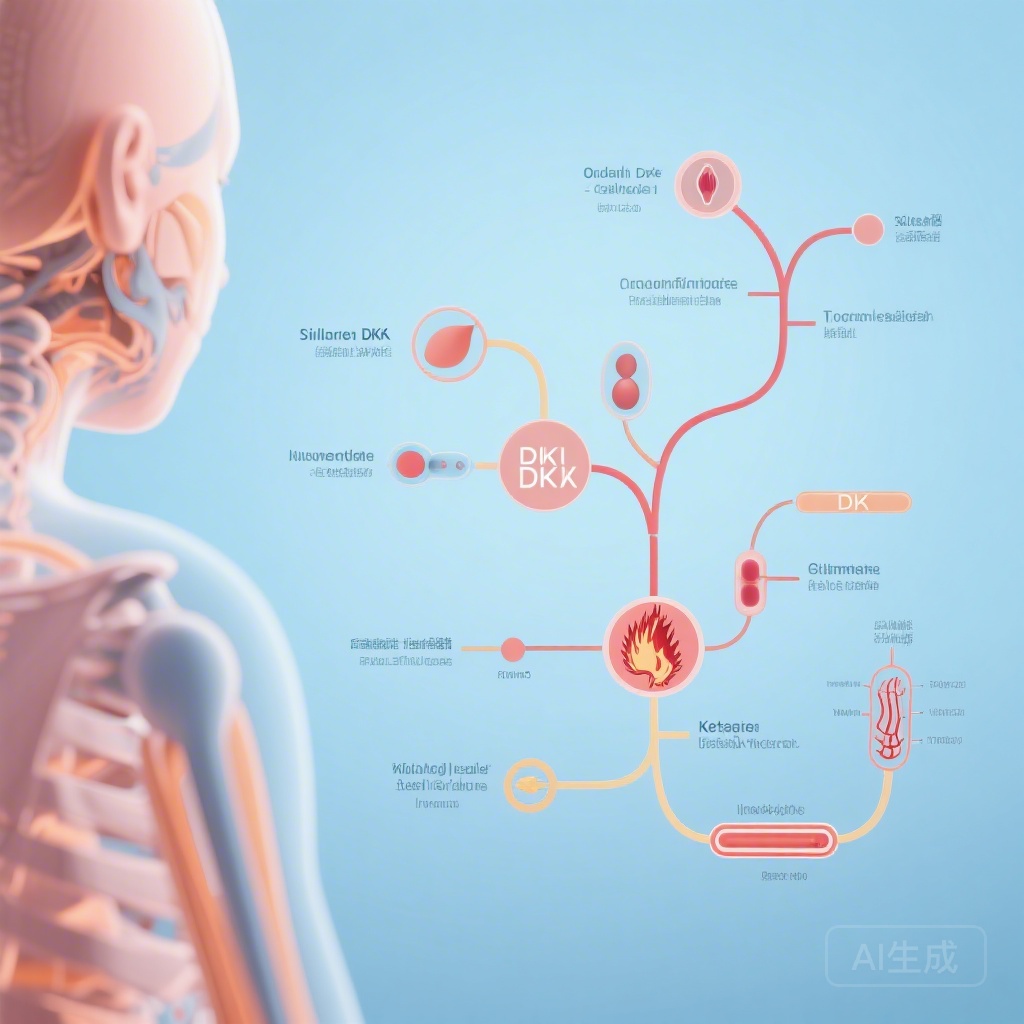
Figure 1: Metabolic and inflammatory pathways in pediatric DKA. Insulin deficiency drives ketone production, while inflammation amplifies metabolic stress through cytokine release.
Introduction: Why Inflammation Matters in Pediatric DKA
Diabetic ketoacidosis (DKA) is a life-threatening complication of type 1 diabetes (T1D) in children, where the body burns fat for energy instead of glucose, producing toxic ketones. While DKA is often discussed as a “metabolic crisis,” it’s increasingly recognized as a systemic inflammatory condition. Elevated inflammatory markers (like IL-6, TNF-α, and CRP) are not just “side effects”—they play a key role in how DKA progresses, responds to treatment, and even predicts future risk.
In this guide, we’ll debunk 8 common misconceptions about the inflammatory profile of DKA in kids with T1D, explain why they’re harmful, and share evidence-based steps to keep children safe.
1. Misconception: “DKA is just a metabolic mess—no inflammation involved.”
Why it’s wrong: DKA isn’t purely metabolic. When the body lacks insulin, cells can’t take up glucose, so it breaks down fat into ketones. This process triggers inflammation: ketones damage blood vessels, activate immune cells (like macrophages), and release cytokines (signaling molecules like IL-6 and TNF-α).
Example: A study in Pediatric Diabetes found that children with DKA had 2–3x higher IL-6 levels than healthy kids, and higher IL-6 predicted longer hospital stays.
Correct approach: Recognize DKA as a combined metabolic and inflammatory crisis. Even if blood sugar and ketones drop, inflammation may linger, so monitor markers like CRP or IL-6 to ensure full remission.
2. Misconception: “Fever during DKA means ‘infection’—start antibiotics now!”
Why it’s wrong: Fever in DKA is often due to inflammatory responses, not infections. The body’s immune system ramps up in response to ketones and stress, causing a low-grade fever (100.4–102°F). A high fever (>102°F) might signal infection, but not always.
Example: A study in JAMA Pediatrics found 40% of DKA patients had fever, but only 15% had confirmed infections (e.g., pneumonia, urinary tract infections). Procalcitonin (a marker of bacterial infection) was normal in 85% of these kids.
Correct approach: Check procalcitonin (not just white blood cell count) to rule out infection. If procalcitonin is normal and fever is <102°F, focus on hydration and anti-inflammatory care (not antibiotics).
3. Misconception: “Inflammatory markers are useless—we just need to fix blood sugar.”
Why it’s wrong: Inflammatory markers are powerful tools. They predict how severe DKA is, how long it takes to recover, and even if the child is at risk for future DKA. For example:
- Higher IL-6 in DKA correlates with increased fluid loss and longer hospital stays.
- Normalizing IL-6 and CRP post-treatment is linked to better long-term glycemic control.
Example: A 2022 study in Diabetes Care showed that tracking IL-6 in kids with DKA reduced the risk of “refractory DKA” (where ketones stay high despite treatment) by 30%.
Correct approach: Work with your child’s team to monitor key markers (CRP, IL-6, procalcitonin) to guide care, not just rely on blood sugar alone.
4. Misconception: “DKA in T1D is always caused by ‘non-adherence’ to insulin.”
Why it’s wrong: While insulin non-adherence is a common trigger (e.g., forgetting shots), it’s not the only cause. Up to 30% of DKA cases in kids are triggered by illnesses (e.g., colds, flu, strep throat) or stress (like school anxiety), which activate inflammation.
Example: A child with a viral infection may have a fever (inflammation) that blocks insulin’s action, even if they took their usual dose.
Correct approach: Ask your child’s team about triggers (e.g., recent illness, missed meals, or stress). Don’t automatically blame “non-adherence”—focus on preventing inflammation triggers (like staying up-to-date with vaccines).
5. Misconception: “Routine steroids will calm inflammation in DKA.”
Why it’s wrong: Corticosteroids (e.g., hydrocortisone) reduce inflammation, but they’re not a “magic fix” for DKA. A 2023 Cochrane review found no clear benefit to routine steroid use in DKA, and some studies suggest steroids may delay remission by raising blood sugar.
When might steroids help? Only in severe, refractory cases (e.g., shock) where inflammation is overwhelming. Even then, use is controversial.
Correct approach: Reserve steroids for kids with severe inflammation (e.g., low blood pressure, high IL-6) and always follow your team’s lead.
6. Misconception: “IL-6 is the only marker we need to check for inflammation.”
Why it’s wrong: IL-6 is a star marker, but other cytokines and proteins matter too. For example:
- TNF-α (tumor necrosis factor) links to severe DKA and fluid loss.
- CRP (C-reactive protein) rises faster than IL-6, making it better for early diagnosis.
- Procalcitonin (PCT) rules out infection (as mentioned earlier).
Example: A child with DKA and normal IL-6 but high PCT may have an infection, while one with high IL-6 and normal PCT likely has DKA-related inflammation.
Correct approach: Work with your team to check a panel of markers (CRP + IL-6 + PCT) to get a full picture of inflammation.
7. Misconception: “Once DKA is treated, inflammation goes away immediately.”
Why it’s wrong: Even after blood sugar drops and ketones are gone, inflammation may linger. A study in Pediatrics found that 20% of kids with DKA had elevated IL-6 for 1–2 weeks post-remission, which may increase future DKA risk by 40%.
Why? Inflammation damages the pancreas’ insulin-producing cells (beta cells), making it harder to regulate blood sugar long-term.
Correct approach: Monitor your child’s diet, activity, and blood sugar closely for 1–2 weeks after DKA resolves. Small lifestyle tweaks (e.g., avoiding excessive sugar) can help calm residual inflammation.
8. Misconception: “Inflammatory markers are too expensive—we can skip them.”
Why it’s wrong: While testing isn’t cheap, it’s cost-effective in the long run. Missing a marker like IL-6 could lead to:
- Unnecessary antibiotics (wasting money and exposure to side effects).
- Delayed diagnosis of severe inflammation, increasing complications.
Example: A $50 IL-6 test might save thousands in hospital costs by preventing a 3-day stay due to delayed treatment.
Correct approach: Advocate for marker testing if your child has DKA—your insurance may cover it, or your team can prioritize based on risk factors.
Final Thoughts: Inflammation = Key to Safer DKA Care
Understanding DKA’s inflammatory profile empowers you to ask the right questions and advocate for your child. Remember: DKA is a team effort—your input, combined with your healthcare provider’s expertise, is critical.
Download our free ebook: “Pediatric DKA: Inflammation, Triggers, and Remission” to learn more about managing inflammatory complications, preventing future DKA, and supporting your child’s long-term health.
This article is generated with AI assistance for informational purposes only and does not constitute medical advice. Always consult a healthcare provider before making decisions about treatment or diagnosis.