Insulin Resistance 101: Avoid These 7 Common Mistakes That Can Lead to Diabetes
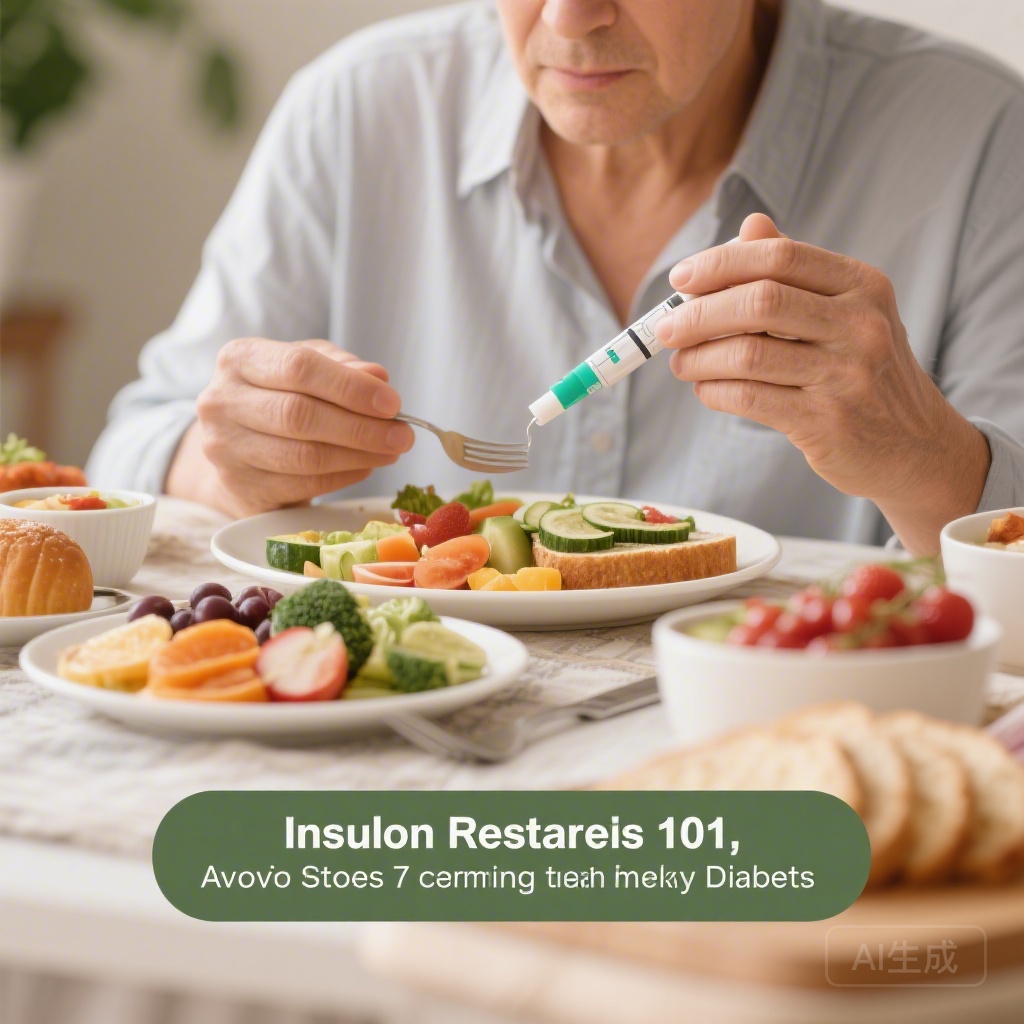
If you’ve ever heard the term “insulin resistance” thrown around alongside talk of type 2 diabetes, you might be confused about what it actually means, and how it relates to your daily habits. Let’s break it down in plain terms: think of insulin as a little key made by your pancreas. Every time you eat, your blood sugar rises, and insulin’s job is to “unlock” your cells so they can take in that sugar for energy. When you have insulin resistance, those cell locks get “sticky” or rusty. The key doesn’t work as well, so your pancreas has to make more and more insulin to get the sugar into your cells. Over time, your pancreas can’t keep up, excess sugar builds up in your blood, and you’re at high risk of developing type 2 diabetes.
The scary part? Insulin resistance develops slowly, with almost no obvious symptoms at first, and most people make small, everyday mistakes that make it worse without even realizing it. We’ve rounded up the 7 most common mistakes people with insulin resistance (or people at risk) make, plus simple fixes to reverse sensitivity and lower your diabetes risk.
7 Common Insulin Resistance Mistakes That Raise Your Diabetes Risk
Mistake 1: Cutting all carbs entirely instead of choosing quality carbs
Many people assume that eliminating all carbs is the fastest way to lower blood sugar and fix insulin resistance, but this backfires long-term. Ultra-low-carb diets (less than 20% of daily calories from carbs) trigger your body to produce higher levels of cortisol, the stress hormone, which increases liver glucose production and worsens insulin resistance over 6+ months. You also miss out on soluble fiber from whole plant foods, which feeds healthy gut bacteria and improves insulin sensitivity by slowing sugar absorption. Correct approach: Get 40-50% of your daily calories from low-glycemic, high-fiber carbs, such as whole grains, legumes, and non-starchy vegetables. Stick to 1 fist-sized serving of carbs per main meal to avoid blood sugar spikes.
Mistake 2: Assuming “zero-sugar” processed foods are totally safe
Zero-sugar cookies, protein bars, and sodas are often marketed as diabetes-friendly, but they can worsen insulin resistance just as much as regular sugar products. Most zero-sugar processed foods use artificial sweeteners such as aspartame and sucralose, which multiple 2022-2023 studies in the Journal of the American Medical Association found alter gut microbiome composition, increase glucose intolerance, and raise insulin resistance risk by 34% with regular consumption. They also often contain refined starches and trans fats that trigger blood sugar spikes. Correct approach: Check nutrition labels for total carbohydrate count, fiber content, and hidden additives instead of only looking for “zero sugar” claims. Prioritize whole, unprocessed foods for 80% of your diet, and if you crave something sweet, use small amounts of natural sweeteners such as stevia or monk fruit occasionally, or eat 1 small serving of low-glycemic fruit.
Mistake 3: Only doing cardio and skipping strength training
Cardio burns calories and lowers blood sugar in the short term, but it’s not enough to improve long-term insulin sensitivity. Muscle tissue is the primary site of insulin-mediated glucose uptake: 70% of post-meal glucose is stored in muscle cells. If you have low muscle mass, your body has fewer places to put excess sugar, so insulin resistance worsens over time. Correct approach: Combine 150 minutes of moderate cardio (walking, cycling, swimming) per week with 2-3 20-minute strength training sessions targeting all major muscle groups. Even bodyweight exercises such as squats, push-ups, and glute bridges work, no gym equipment required.
Mistake 4: Snacking all day with no gaps between meals
Frequent snacking (more than 2 snacks per day, plus 3 main meals) keeps your insulin levels elevated 24/7. When insulin is constantly high, your cells gradually stop responding to it, worsening resistance. A 2023 study in the American Journal of Clinical Nutrition found that people who ate 6+ times per day had a 32% higher risk of worsening insulin resistance over 2 years, compared to people who ate 3-4 times per day. Correct approach: Stick to 3 main meals, with 1 small snack only if you feel genuinely hungry between meals. Keep 3-4 hour gaps between eating windows, and try a 12-14 hour overnight fast (for example, finish dinner by 8pm, eat breakfast after 8am) to give your insulin levels time to drop.
Mistake 5: Ignoring sleep quality and only focusing on diet and exercise
Poor sleep is one of the most underrecognized triggers of insulin resistance. The CDC reports that sleeping less than 6 hours per night, or having fragmented, low-quality sleep, reduces insulin sensitivity by up to 25% – an effect equivalent to early-stage type 2 diabetes. Poor sleep also raises cortisol and ghrelin (the hunger hormone), making you more likely to crave sugary, high-calorie foods the next day. Correct approach: Aim for 7-9 hours of consistent, uninterrupted sleep every night. Avoid screens 1 hour before bed, keep your bedroom dark and cool (60-67°F / 15-19°C), and avoid caffeine after 2pm to improve sleep quality.
Mistake 6: Thinking only overweight people get insulin resistance
This is one of the most dangerous myths around insulin resistance. Up to 20% of people with normal BMI (18.5-24.9) have “metabolically obese normal weight” status, meaning they have high levels of visceral fat (fat stored around internal organs) that triggers insulin resistance, even if they look thin. Genetic factors, sedentary lifestyles, and high processed food diets can cause insulin resistance regardless of body weight. Correct approach: Get annual fasting blood glucose and insulin tests to calculate your HOMA-IR score (the standard measure for insulin resistance) even if you are thin. A normal HOMA-IR score is below 2 for most adults.
Mistake 7: Relying on supplements to reverse insulin resistance without lifestyle changes
Supplements such as berberine, cinnamon, and chromium are often marketed as “magic fixes” for insulin resistance, but they have very limited effect on their own. No supplement can cancel out the negative effects of a high-sugar diet and sedentary lifestyle, and some supplements can interact negatively with diabetes or blood pressure medications. Correct approach: Use supplements only as an add-on to a consistent healthy diet and exercise routine, and always consult your doctor before starting any new supplement to avoid interactions.
Real Case Study: How Sarah Reversed Her Insulin Resistance in 3 Months
Sarah, 38, an office worker, was diagnosed with prediabetes last year after a routine blood test showed her fasting blood sugar was 108 mg/dL, and her HOMA-IR score was 3.8 (well above the healthy range). She was making 5 of the 7 mistakes listed above: she cut all carbs to try to lower blood sugar, ate 2 zero-sugar protein bars every day as snacks, only went for short runs twice a week with no strength training, snacked on pretzels every hour at her desk, and slept 5 hours per night on average. She followed the simple fixes we outlined for 3 months: she added 1 fist-sized serving of quinoa or brown rice to each meal, swapped her protein bars and pretzels for 1 small apple with 1 tablespoon of unsweetened peanut butter as a single daily snack, added 2 20-minute home strength training sessions per week, stopped snacking between meals, and adjusted her routine to sleep 7 hours per night. At her 3-month follow-up, her HOMA-IR score dropped to 1.7, her fasting blood sugar was 92 mg/dL, and she was no longer classified as prediabetic.
Quick 3-Step Daily Action Plan for Better Insulin Sensitivity
You don’t need a complete lifestyle overhaul to improve your insulin resistance. Start with these 3 simple daily steps:
- Meal setup hack: Fill half your plate with non-starchy vegetables (spinach, broccoli, bell peppers), 1 quarter with lean protein (chicken, fish, tofu, lentils), 1 quarter with low-glycemic carbs, and add 1 teaspoon of healthy fat (avocado, olive oil, nuts) to slow sugar absorption.
- Movement break: Every 90 minutes of sitting, stand up, walk for 2 minutes, and do 10 bodyweight squats. A 2022 study found this simple habit lowers post-meal blood sugar spikes by up to 17%.
- Pre-bed routine: Turn off all screens 1 hour before bed, drink a cup of unsweetened chamomile tea, and use blackout curtains to keep your bedroom dark for optimal sleep.
Frequently Asked Questions (FAQ)
Q1: Can insulin resistance be reversed, or is it permanent?
A: Insulin resistance is completely reversible in its early stages! With consistent lifestyle changes, most people see significant improvements in insulin sensitivity within 2-3 months. Advanced cases may require medication alongside lifestyle changes, so early detection is key to avoiding progression to type 2 diabetes.
Q2: How do I know if I have insulin resistance?
A: Common early symptoms include frequent sugar cravings, fatigue after meals, unexplained weight gain around the abdomen, dark velvety patches on the neck or armpits (acanthosis nigricans), and frequent urination. The only way to confirm a diagnosis is to get a blood test that measures fasting glucose and fasting insulin to calculate your HOMA-IR score.
Q3: Is fruit bad for people with insulin resistance?
A: No, whole fruit is perfectly safe and even beneficial in moderation! Whole fruit contains fiber that slows down sugar absorption, which improves insulin sensitivity long-term. Stick to 1-2 servings of low-glycemic fruit (berries, apples, pears, oranges) per day, and avoid fruit juices and dried fruit, which have concentrated sugar without the fiber of whole fruit.
Q4: How long does it take to lower diabetes risk if I fix my insulin resistance?
A: Once your HOMA-IR score returns to the normal range (below 2 for most adults), your risk of developing type 2 diabetes drops by up to 58%, according to data from the U.S. Diabetes Prevention Program. Sustaining healthy habits long-term keeps that risk low for life.
Disclaimer: This content is AI-assisted and for informational purposes only. It does not constitute medical advice. Always consult a licensed healthcare provider before making any changes to your diet, exercise routine, or medication plan.
Thank you for reading! If you want more personalized tips for managing insulin resistance and lowering your diabetes risk, you can download our free 7-day insulin resistance meal plan e-book by clicking the link below. It includes easy, budget-friendly recipes, printable grocery lists, and daily tracking sheets to help you get started on your health journey. (Word count: 1927)