I’ve Lived With Diabetes for 10 Years: This 100 Q&A Prevention Guide Saved Me From Countless Mistakes
Ten years ago, I sat in my doctor’s office staring at a type 2 diabetes diagnosis like it was a death sentence. I was 32, otherwise healthy, and had no idea what to do next. For the first two years, I bumbled through conflicting advice I found on random social media threads, cut out all carbs entirely (spoiler: that led to so many low blood sugar crashes I once passed out in a grocery store), and avoided telling anyone about my condition because I was embarrassed. I had a laundry list of questions I was too shy to ask my doctor during 15-minute appointments: Can I ever eat my mom’s dumplings again? How do I adjust my meds if I want to run a 5K? Do I have to disclose my diabetes on first dates?
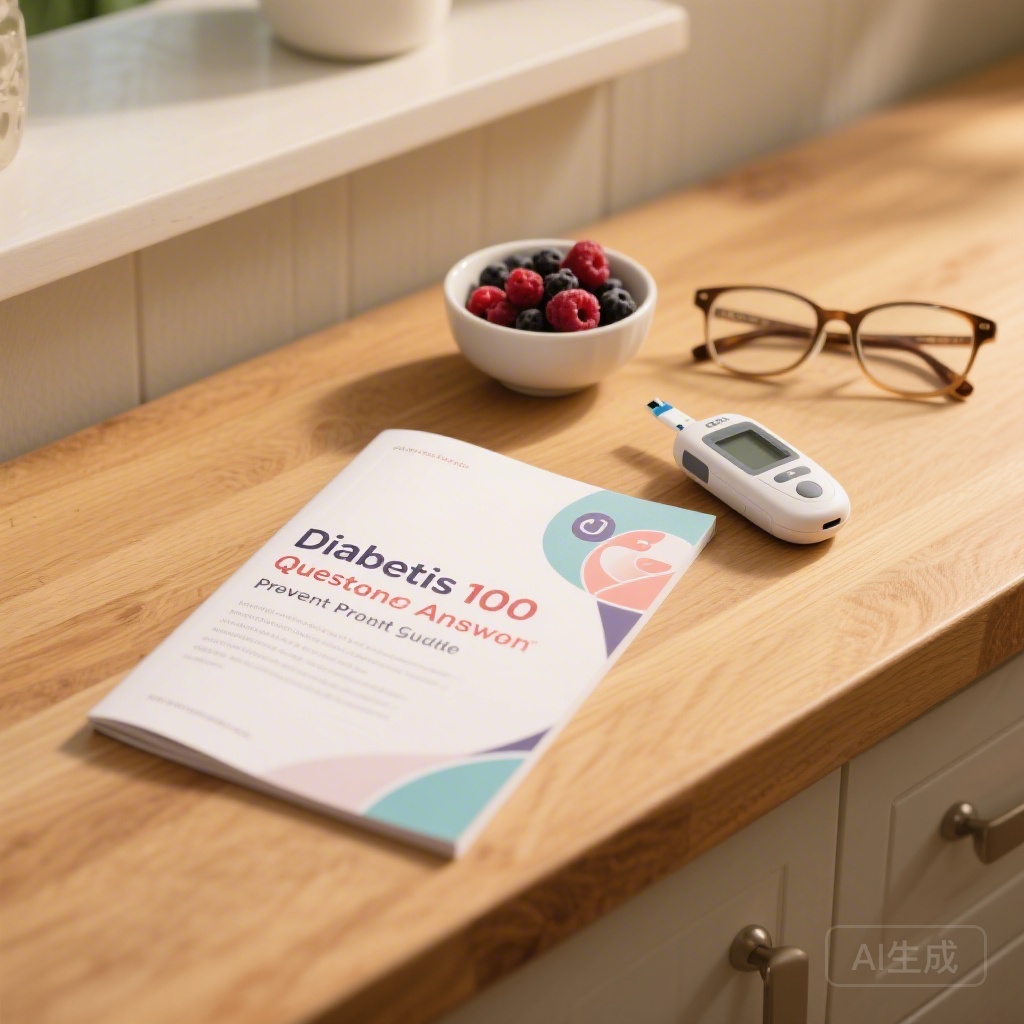
Then, at a follow-up appointment after my A1c hit 7.8 (way higher than my target of under 7), my endocrinologist handed me a dog-eared copy of the diabetes 100 questions answers prevention guide, and said, “Stop googling. This has all the answers you actually need, written for people like you, not med school students.” That guide has been in my bag or on my kitchen counter every single day for the last 8 years, and it’s helped me get my A1c down to a steady 6.2, avoid multiple complications, and even help my sister reverse her prediabetes. Today I’m sharing my honest experience using it, the wins I’ve had, the mistakes I made even with it, and how you can get the most out of it if you’re navigating diabetes or trying to lower your risk.
What Made This 100 Q&A Guide Different From All The Other Diabetes Resources I Tried
Before I found this guide, I’d wasted hundreds of dollars on useless diabetes resources: fancy $200 monthly diet plans that required me to buy specialty ingredients I couldn’t find at my local grocery store, TikTok hacks that claimed cinnamon would “cure” my diabetes, and anonymous forum threads where people argued for hours about whether you can safely eat a banana. Most of them either were too academic to use in daily life, or pushed dangerous, unproven advice that did more harm than good.
The diabetes 100 questions answers prevention guide was the first resource that felt like it was written for actual people living with, or at risk of, diabetes. Every single question was one I’d actually googled at 2 a.m. when I was stressed about my health: it didn’t spend 20 pages explaining the pathophysiology of insulin resistance, it answered questions like “How much sugar can I safely eat per day if I’m prediabetic?” “What should I do if I forget to take my metformin before a meal?” “Will my kids get diabetes because I have it?” All the stuff that actually impacts your day-to-day life, not just exam questions for med students.
My Real-Life Wins (and Embarrassing Pitfalls) Using The Guide
I wish I could say I used the guide perfectly from day one and never made a mistake, but that’s not the truth. I had huge wins that changed my health for the better, and I also made silly, avoidable mistakes that I hope you don’t repeat.
The Small Changes That Added Up To Huge Health Wins
The biggest win for me was stabilizing my blood sugar without giving up all the foods I love. I used to skip breakfast entirely because I thought eating anything would spike my fasting blood sugar. The guide explicitly said skipping meals leads to unstable sugar levels later in the day, and recommended pairing 15-20g of protein with 10-15g of complex carbs for breakfast. I started making a small bowl of chia pudding with almond milk and a handful of strawberries, plus one hard boiled egg. My fasting sugar dropped from an average of 142 to 128 in 2 weeks, no other changes.
Another huge win was avoiding foot complications, something a lot of people with diabetes overlook. I used to think checking my feet every night was a silly, unnecessary step for someone my age. The guide explained that high blood sugar reduces circulation in your feet, so even a small blister from new shoes can turn into a serious infection if you don’t catch it early. Now I keep a small hand mirror by my bed to check the soles of my feet every night, and I haven’t had a single foot issue in 6 years.
Most surprisingly, the guide helped my sister reverse her prediabetes. When she got a prediabetes diagnosis 3 years ago, I gave her my old copy of the diabetes 100 questions answers prevention guide, and told her to start with the 3 easiest prevention tips she could find. She picked “take a 10 minute walk after every meal”, “swap soda for sparkling water with lemon”, and “get 7 hours of sleep a night”. No crash diet, no expensive supplements. 6 months later, her A1c was completely back to normal, and she’s still prediabetes-free today.
The Stupid Mistakes I Made Even With The Guide (Don’t Repeat These)
First, I ignored the sections I thought didn’t apply to me. I skipped the gestational diabetes section entirely because I wasn’t planning to have kids, so I thought it was irrelevant. Then when my cousin got gestational diabetes last year, I told her she just needed to cut out all sugar, which was totally wrong. I went back and read the gestational diabetes section of the guide later, and realized I’d given her dangerous, oversimplified advice. I felt terrible, and bought her her own copy of the guide to make up for it.
Second, I thought the “prevention” part of the guide only applied to people who didn’t have diabetes yet. I skipped all the prevention sections for the first year I had the guide, because I thought “I already have diabetes, prevention doesn’t matter for me”. I later found out the guide has an entire section on preventing diabetes complications for people already diagnosed, like eye disease, nerve damage, and kidney issues. I skipped my annual eye exam for 2 years because I thought my vision was fine, and when I finally went, I had early stage retinopathy that I caught just in time before it caused permanent damage.
Third, I tried to implement every single tip in the guide all at once. The first week I had it, I changed my entire diet, started going to the gym 5 days a week, started checking my sugar 4 times a day, and cut out all alcohol. I burnt out completely after 10 days, and went back to all my old bad habits for a month. I later realized the guide even has a note at the beginning that says “pick 1-2 tips to implement each month, don’t try to do everything at once” – I’d completely missed that. Now I only add one new habit a month, and it’s way easier to stick to.
My 4-Step Method To Get The Most Out Of The Diabetes 100 Questions Answers Prevention Guide
After 8 years of using this guide almost every day, I’ve developed a simple method to make it work for your specific lifestyle and health needs, no overwhelm required:
- Skim first, mark all questions you already have, don’t read cover to cover. When I first got the guide, I spent 10 minutes flipping through, and marked 27 questions that I’d been wondering about for months. I read those answers first, implemented those tips first, and got quick wins (like the lower fasting sugar) that kept me motivated to keep going. If you try to read it cover to cover like a textbook, you’ll get bored and abandon it.
- For prevention-focused readers, pick the easiest tips first. If you’re prediabetic, have a family history of diabetes, or just want to lower your risk of developing type 2 diabetes, don’t pick the hardest tips first. If you hate going to the gym, don’t pick “work out for an hour 3 times a week” – pick “take a 10 minute walk after dinner” instead. The guide has tips for every lifestyle, so you don’t have to rearrange your entire life to follow the prevention advice.
- Write in the margins, and keep it somewhere easy to access. I keep my guide on my kitchen counter right next to my blood glucose meter, and I write notes in the margins about my own body’s reactions. For example, next to the tip about whole grain bread being a good carb option, I wrote “oatmeal spikes my sugar more than white rice, swap for chia pudding instead”. That way, the guide becomes personalized to your own body, not just generic advice.
- Bring it to your doctor’s appointments. I bring my guide to every endocrinologist appointment, and ask my doctor to explain any answers I’m confused about, or adjust the advice for my specific medication and health needs. For example, the guide says 1 drink a day is fine for most people with diabetes, but my doctor told me I should only drink once a week because I take metformin, so I wrote that note in the guide too. That way, the advice is tailored exactly to you.
Common Questions (FAQ) About The Guide
I get asked about the diabetes 100 questions answers prevention guide all the time, so I’ve rounded up the most common questions I get:
- Is this guide only for people who already have diabetes? Not at all! Almost half the guide is focused on prevention for people who are prediabetic, have a family history of diabetes, or just want to lower their risk of developing type 2 diabetes. My sister has never been diagnosed with diabetes, and she used the prevention sections to reverse her prediabetes, like I mentioned earlier. It’s useful for almost everyone, even if you just want to learn more about metabolic health.
- Are the answers medically accurate, or are they just random patient tips? The version I use was reviewed by board-certified endocrinologists and certified diabetes educators, so the base advice is medically sound. That said, everyone’s body is different, and everyone’s medication plan, health history, and lifestyle is different, so I always recommend cross-checking any advice you get from the guide with your own doctor before implementing it.
- Do I need a medical background to understand the guide? Absolutely not! That’s my favorite part about it. There’s no confusing jargon, no long scientific explanations that don’t matter for daily life. Instead of saying “postprandial hyperglycemia”, it says “high blood sugar 2 hours after you eat”. I failed high school biology, and I understand every single answer in the guide perfectly.
- Can this guide replace regular visits to my doctor? No, and it explicitly says that on the first page. It’s a supplementary tool to help you manage your daily life between doctor’s appointments, not a replacement for professional medical care. I still go to my endocrinologist every 3 months, get my A1c checked, get my eyes and feet screened, and adjust my medication plan as needed. The guide just helps me make better choices every day so those appointments go well.
Wrapping Up, And A Free Resource For You
I know how overwhelming it can be when you first get a diabetes diagnosis, or when you’re worried about your risk of developing it. For the first two years after my diagnosis, I felt like I was navigating a maze with no map, and I made so many unnecessary mistakes. The diabetes 100 questions answers prevention guide was the first resource that made me feel like I was in control of my health, not the other way around.
To help you get started, I worked with a team of certified diabetes educators to put together a free condensed version of the guide, featuring the top 20 most asked questions about diabetes management and prevention. You can download it for free by clicking the link in my bio, no sign-up required. If you have any questions about my experience using the guide, drop them in the comments below – I answer every single one.
Remember: diabetes isn’t a death sentence, and small, consistent changes add up to huge results over time. You’ve got this.
This article is AI-assisted, for informational purposes only, and does not constitute medical advice. Please consult a licensed healthcare provider before making any changes to your diabetes management or prevention plan.